
Finding People Across Burlington
Begin with the fact you trust most. A full name can lead to the Alamance deed index, the statewide court portal, voter records, or a business filing. An address is often stronger because the county parcel tools can tie it to an owner, deed book and page, sales history, and tax district. For an older resident, city directories, newspapers, cemetery entries, and estate files may work better than a current web index. A phone number can help confirm identity, but official Burlington records rarely use it as the main public search key.
The county line changes the route. Most Burlington records are kept by Alamance County offices in Graham, but the city's annexation history shows expansion into Guilford County. Check the parcel's county before assuming which register, tax office, or court keeps the record. Then move from a broad match to a primary record with stable identifiers.
- Write the name, spelling variants, known dates, and old or current address.
- Confirm the parcel and county when an address is available.
- Use the deed or court index to capture a book, page, or case number.
- Compare a second source, such as an estate, obituary, or directory.
- Ask the custodian for the exact file when the web result stops at an index.
Burlington People Search Offices
Burlington's city, county, and court offices divide the record work. The Alamance Register of Deeds holds land indexes and local certificates. The Clerk of Superior Court keeps civil, criminal, estate, divorce, foreclosure, and special-proceeding files. Burlington's City Clerk holds council actions, minutes, ordinances, contracts, permanent municipal records, and city cemetery deeds. The full access rules and request process belong with Burlington public records.
GIS is a useful exception to the office map. Alamance County's mapping staff works at 1946 Martin Street in Burlington, while the recorder and court counters are in Graham. That split makes an online parcel check a sensible first step, not proof that every related file is kept in the same building.
Follow Burlington Names Through Deeds
The Alamance deed portal offers free guest index searching. County staff recommends Search Directory rather than All Matches because old name formats can hide results in the broader mode. Search a person as grantor, the party giving an interest, or grantee, the party receiving it. A useful result preserves the indexed name, side, document type, recording date, and book and page. Those details identify the actual instrument at the counter or in the image viewer.
The Alamance Quick Name Search shows the controls used to narrow a Burlington people search.
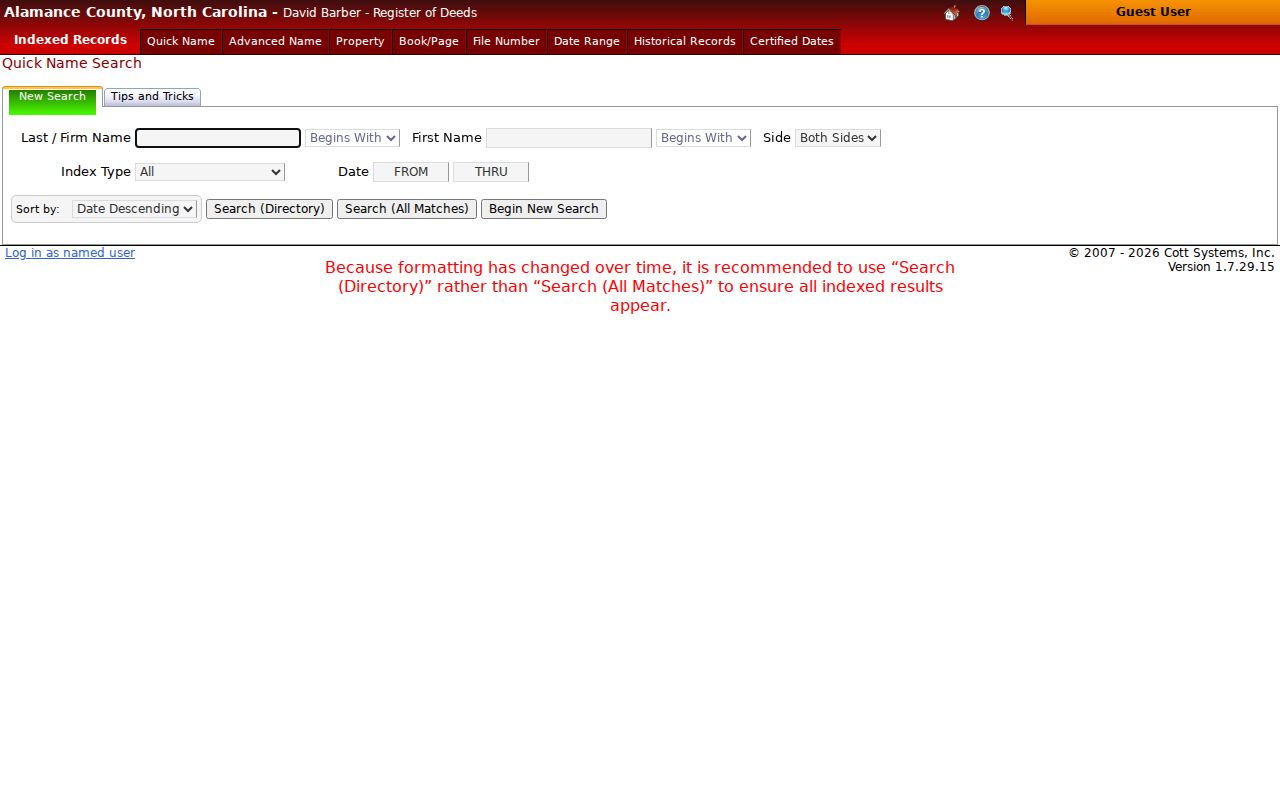
The form separates name, party side, index type, and date range, which helps keep two similar names from being merged.
| Deed search control | Input | How it narrows a name |
|---|---|---|
| Last or firm name | Text and match choice | Sets the main indexed name |
| First name | Text and match choice | Separates people with the same surname |
| Side | Grantor or grantee | Distinguishes giver from receiver |
| Index type | Record family | Limits deeds, marriages, notaries, or another index |
| Date | Start and end | Focuses on a likely recording period |
Online consolidated real-property coverage begins January 2, 1958. Earlier deeds are not presumed lost. They require the Register of Deeds counter, older grantor and grantee books, or archival research.
Burlington Property Search Trail
A parcel can connect a Burlington address to owner names, mailing lines, site address, parcel identifiers, deed references, sale dates, acreage, and tax districts. Start with owner name or street address in the Alamance tax search. Then carry the parcel ID, GPIN, or deed book and page into GIS and the deed index. This creates a clean trail: address to parcel, parcel to owner, owner to deed, and deed to prior parties.
The Alamance Real Property Tax Information search presents the owner and address entry point.
The property result is a lead, not proof of residence. A tax mailing address is where correspondence goes, while the situs address is the physical parcel. An owner may live elsewhere, and a person at the site may not own it.
- Parcel
- A mapped unit of land with its own county identifier.
- Situs address
- The physical address assigned to the land.
- Mailing address
- The destination for owner tax notices, which may be elsewhere.
- Plat
- A recorded map that defines lots or boundaries.
Note: A Burlington postal address can cross county lines, so verify Alamance or Guilford custody before following the deed trail.
Burlington Court Name Lookup
Burlington has no separate municipal court in the research record. Alamance County Superior and District Courts handle the local trial files through North Carolina's unified system. The eCourts Portal can return public case summaries for civil, criminal, estates, and nonconfidential special proceedings. Search by party name or case number, choose Alamance as the location, and use case type, status, or filing dates to reduce false matches. A docket is the dated list of events and filings in a case.
The North Carolina eCourts services entry routes Burlington name searches to Smart Search.
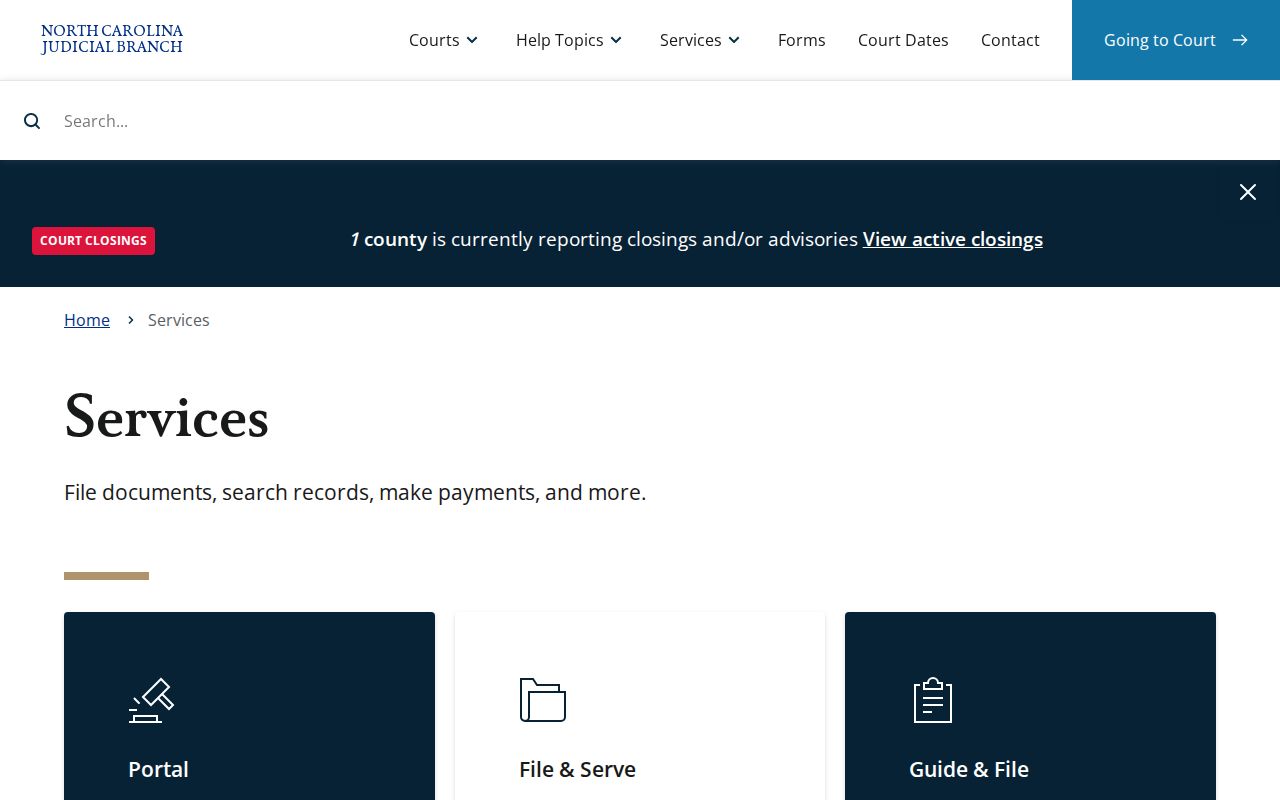
Portal results may show case number, parties and roles, filing date, status, events, hearings, and disposition. They are not certified files.
| Record route | Useful result | Best fallback |
|---|---|---|
| eCourts Portal | Case summary and public events | Alamance clerk file |
| Clerk terminal | Local civil, criminal, estate, and proceeding search | Paper document request |
| Middle District federal court | Federal docket and filed documents | Courthouse terminal |
Federal cases follow a separate route. Burlington lies in the Middle District of North Carolina, where the court explains document access at the clerk's office. Remote federal dockets and filed documents are available through PACER, subject to its fees and sealing rules.
Juvenile, adoption, involuntary hospitalization, sealed, expunged, and other confidential matters will not become public through a name search. The June 2025 Alamance courthouse kiosk adds search, filing, payment, scanning, and printing for public users, while the clerk remains the source for full local paper files.
Burlington Vital Records Paths
Birth, death, marriage, and divorce records follow different Burlington routes. The Alamance Register of Deeds issues local birth, death, and marriage certificates. North Carolina Vital Records holds statewide births from 1913, deaths from 1930, marriages from 1962, and divorces from 1958. A divorce certificate confirms the event, while the judgment and case filings remain with the clerk in the county of the decree.
The North Carolina vital certificate order page explains mail, appointment, and authorized vendor channels.
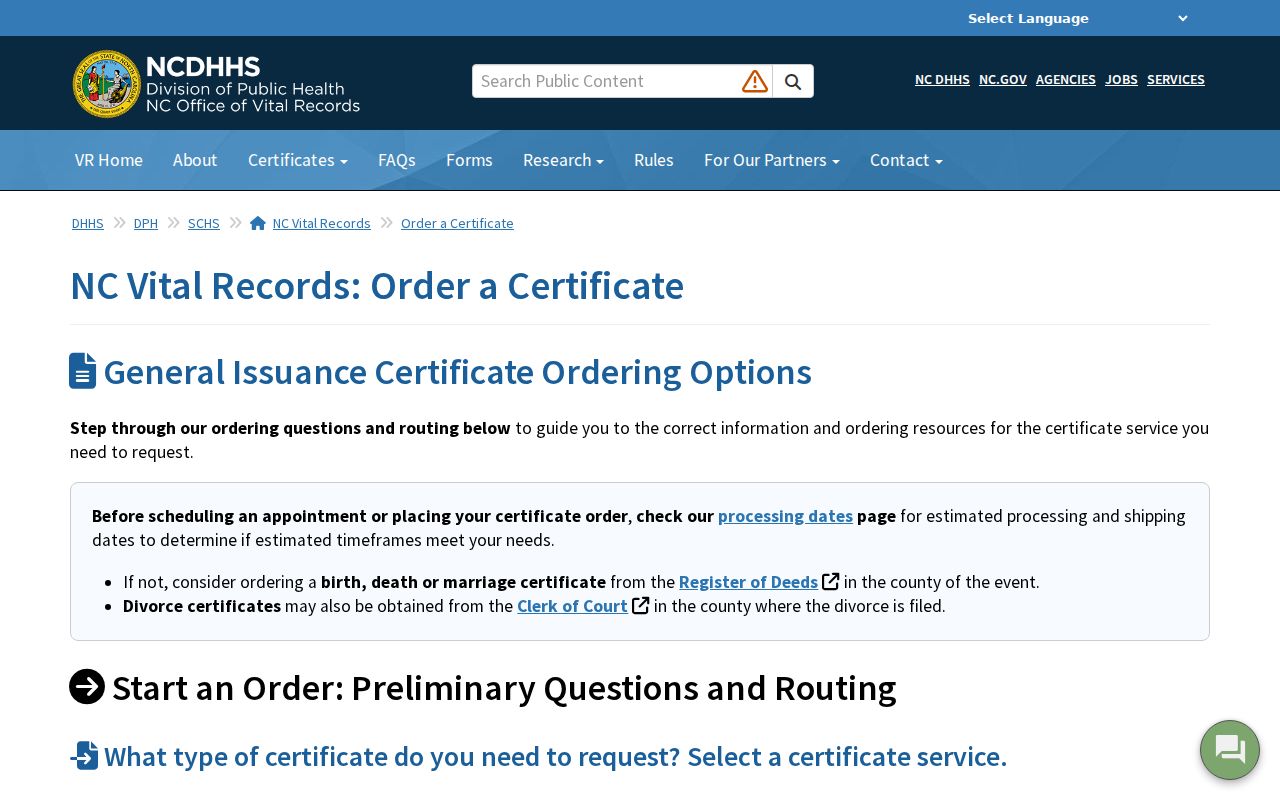
The order route asks for event facts and the requester's relationship. It does not turn every certificate into an open name directory.
Certified-copy eligibility comes from N.C.G.S. §130A-93. It includes the person, close specified relatives, authorized representatives, and a person who needs the record to determine personal or property rights. North Carolina does not use the unsupported blanket claim that every birth opens after 100 years and every death after 50. Review the state's current certificate fees before ordering. For family history, pair public county indexes with library collections, newspapers, church material, or eligible certificate requests.
Burlington Voter Search Boundaries
The state voter lookup can confirm an Alamance voter's status, party or unaffiliated registration, districts, polling place, sample ballots, and participation history. It never reveals which candidate or ballot choice a person selected. Residence and mailing addresses serve different purposes, and protected addresses are withheld. A current status is not a complete biography.
North Carolina also publishes free weekly voter-registration and voter-history files. Those files include public names, addresses, status, registration dates, precincts, and many district fields, while excluding date of birth, Social Security and driver-license numbers, email, identity-document copies, and protected addresses. The human-readable lookup is better for one name. The ZIP dataset is intended for careful analysis.
Use the dedicated Burlington voter registration record detail for the actual lookup fields, status codes, confidentiality rules, and Alamance list-maintenance process. Treat party as registration, not evidence of a vote.
Note: Participation history records the election, method, and county, but it never records the choices marked on a ballot.
Burlington Custody Registry Search
No official current public Alamance jail roster was verified. That absence changes the channel. Call the Alamance Detention Center or use NC SAVAN for custody notifications rather than substituting an unofficial list. For state prison, probation, and parole history from 1972 forward, the NC DAC Offender Public Information Search is the official name and offender-ID route. It may show identity, conviction, sentence, admission, release, and active or absconder photos, but it excludes county jail records.
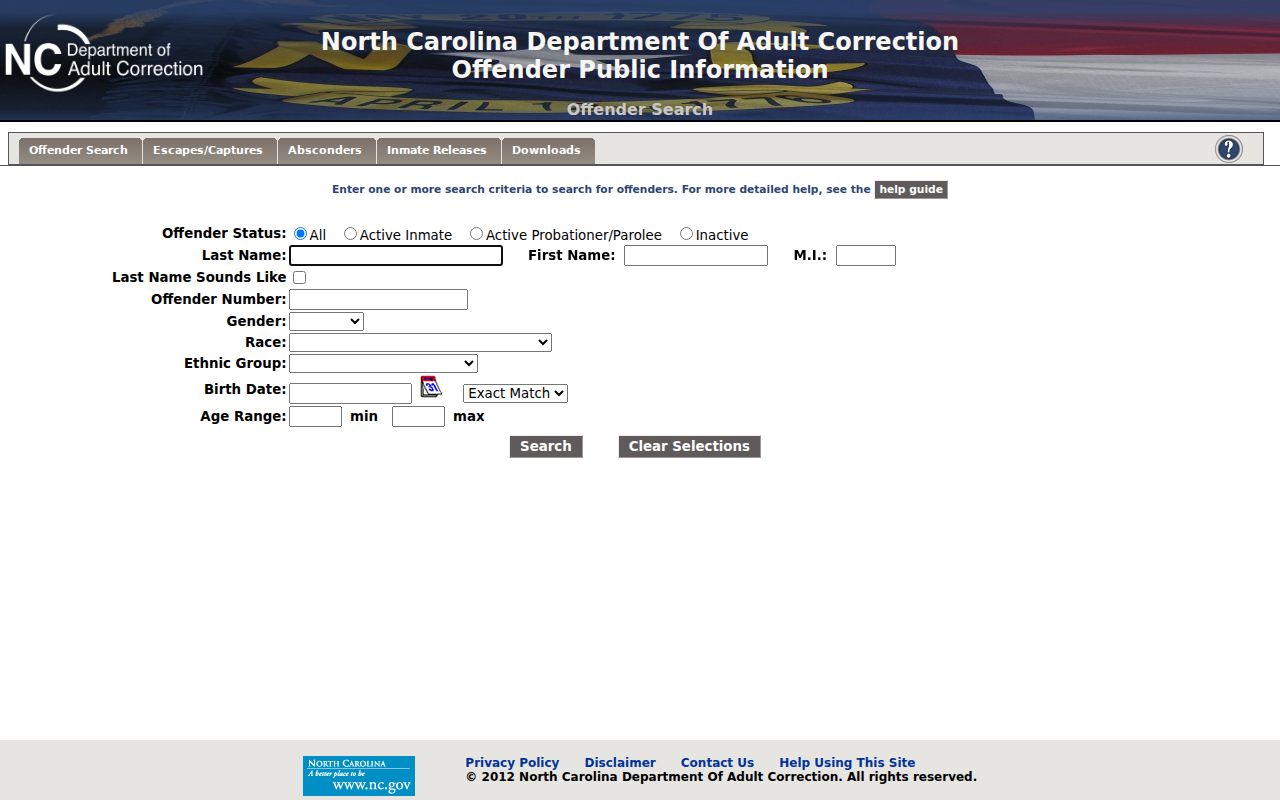
The form keeps state custody history distinct from local detention. Internal behavior, classification, medical, and treatment information remains confidential.
The NC SBI Sex Offender Registry adds official name, address, and map modes for registered persons.
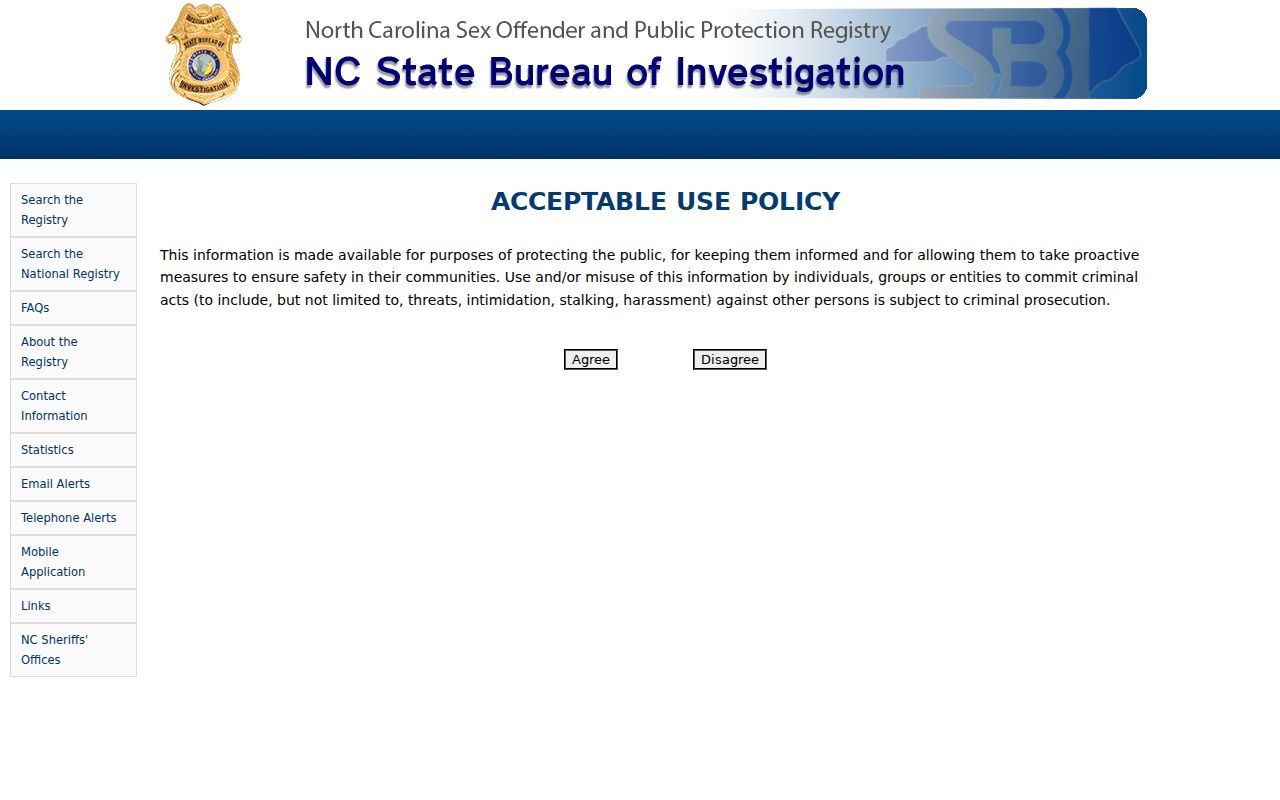
Registry results cover only people required to register and may lag a recent change. They must not be used to threaten, target, or harass anyone.
Burlington Library Search Beyond Portals
May Memorial Library offers a person trail that current official portals cannot replace. Its local-history resources include more than 150 digitized family Bibles, obituary abstracts, marriage notices, an early-through-1963 divorce and annulment decree index, cemetery and death guides, an African American research guide, school newsletters and photographs, and textile and neighborhood images. Ancestry Library Edition, HeritageQuest through NC LIVE, and FamilySearch extend the search into census, military, probate, church, and passenger records.
The Alamance local history and genealogy collection shows the library's named sources and specialist contact.
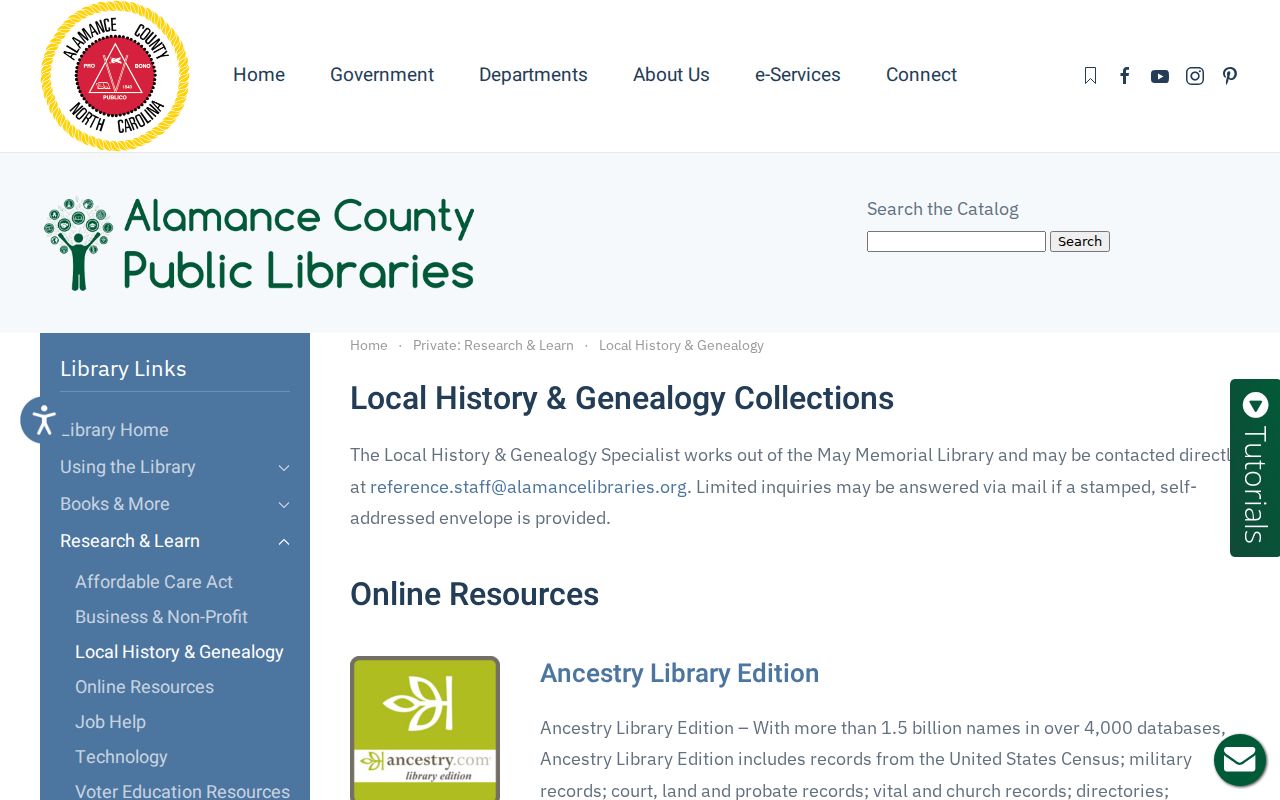
The collection can distinguish same-name residents through spouse, occupation, school, neighborhood, death, and family links that a short portal result omits.
This repository has its own Burlington story. The public library moved from a school to a storefront, then opened in a former 1918 post office in 1938. A later expansion linked it with a former Sears building donated through local textile leadership. The buildings mirror the railroad and textile eras preserved in the records.
Burlington Records Before 1958
The consolidated online deed index begins in 1958, but Burlington name research reaches much farther back. The Alamance marriage index starts in 1868, and local birth and death indexes begin in 1913. Digitized Burlington city directories have a verified, noncontinuous run from 1909-10 through 1962. Several Hill volumes identify a spouse, occupation or employer, residence, churches, clubs, government offices, cemeteries, and street-guide entries. A street guide can reverse the usual search by moving from an address to an occupant.
Jurisdiction matters most at the oldest edge. Alamance County formed from Orange County in 1849. A person in the same geographic area before that date usually belongs in Orange County deeds, estates, marriages, and court records. State Archives box lists for Alamance span 1793 through 1997 because predecessor-area material can appear in the holdings.
- Before 1849: use Orange County jurisdiction and archival series.
- From 1868: check the Alamance marriage index.
- From 1909 through 1962: use the verified, noncontinuous digitized city directories.
- From 1958: search the consolidated online real-property index.
Note: No broad courthouse fire or catastrophic Burlington record loss was verified, so an online gap should lead to the counter or archives.
Burlington Heir Search Trail
An heir search works best as a chain, not as one name query. Start with the decedent in eCourts Estates. Capture the case number, then ask the Alamance Clerk for the estate file, will, notices, inventory, or account that is public. Check the Register of Deeds for an estate deed or later transfer. Add an obituary, cemetery entry, family Bible, or city directory to test relationships and distinguish people with similar names.
Each source has limits. An obituary can suggest family but is not enough to change a voter record after a death. A deed names parties to that instrument, not every possible heir. An estate summary may omit the richer paper filings held in Graham. A cemetery marker may record a relationship, yet the city burial locator and clerk cemetery deed answer different questions about grave location and plot rights.
The strongest result repeats the same names, dates, property identifiers, or kinship links across independent records. If a sealed adoption is involved, use North Carolina's authorized adoption or confidential-intermediary routes instead of treating the closed file as an open record.
Burlington Cemetery Search Connections
Burlington maintains Pine Hill, Brown's Chapel, Northlawn, and Rest Haven cemeteries. Brown's Chapel dates to about the 1840s. The municipal grave locator can supply location data, while City Clerk cemetery deeds document plot rights. Pine Hill's authorized independent survey adds alphabetical names, dates, section, row, lot, relationships, military notes, and marker images. That survey took two years and was completed in 2012.
A cemetery match grows more useful when paired with May Memorial obituary abstracts, newspaper notices, marriage indexes, estate files, and directories. Dates can separate same-name residents. Military notes can point toward service records. A plot near relatives may support a family link, although physical proximity alone does not prove kinship.
For an older Burlington address, the 1935 Hill directory is unusually broad. Its cemetery, labor, fraternal, clergy, club, church, government, and street sections act like several name indexes inside one volume. Later growth near I-85 and the Guilford edge may not appear in early directories because those places developed after the volumes were printed.
Protecting Burlington Search Privacy
North Carolina's Address Confidentiality Program gives eligible survivors of domestic violence, sexual assault, stalking, or human trafficking a substitute address and mail forwarding. A participant may also protect the actual address in voter records. Public name and precinct fields can remain, but readers must not try to defeat a masked or protected value by joining it to another file.
N.C.G.S. §132-1.10 also allows a person to request redaction of specified identifiers from an online official-record image. The signed request must identify the sensitive information, the document, and its exact location. Covered items include Social Security, tax ID, driver-license, state ID, passport, financial-account and card numbers, plus PINs and passwords. The request can be mailed, faxed, sent electronically, or delivered in person, and no fee applies.
Use Burlington records only for lawful personal research. Never use a voter file, registry, address, or court record to stalk, harass, threaten, or target a person.
Commercial profile removal does not erase the source record. Submit an opt-out to the compiler, keep the confirmation, and check again later. For an exposed identifier in a government image, use the custodian's statutory redaction route instead.
Choosing Official Burlington Records
Official and commercial searches answer different needs. A compiled profile can be quick, but it may merge people, repeat stale addresses, or lose the role that explains a name. A county index identifies the custodian, search fields, and record key. A certified copy adds legal authentication when needed. For Burlington, the most reliable path moves from a broad name or address result to the office that keeps the underlying record.
| Source type | Best use | Main limit |
|---|---|---|
| Official online index | Find a parcel, deed, case, voter, or state custody record | May be incomplete or unofficial |
| Public terminal or paper file | Reach older or fuller local material | Requires the custodian's access process |
| Certified copy | Authenticate an eligible record | Fees and access rules vary |
| Commercial compilation | Generate a broad lead | Can be stale, merged, or detached from source context |
When no portal exists, the record may still be public. Try the counter, terminal, written request, library, or archives. Under North Carolina Chapter 132, ask for an existing record with names, dates, record type, department, and preferred format. An office need not create a biography or compile a new answer. If public and confidential facts share a file, request the segregated public portion.
Verify the county first, preserve book and page or case numbers, and compare a second source. Those small steps make a Burlington people search easier to repeat and far less likely to attach one person's record to another person with the same name.